
What a Website Actually Costs in Australia in 2026 (And What Changes the Number)

A Proper Small Business Website in Australia Costs $3,000 to $10,000
Most businesses land in the $5,000 to $8,000 range for a custom build done properly. Below that, you're usually buying a template with your logo on it. Above that, you're usually paying for e-commerce, bookings, or a business bigger than "small."
That's the honest range. The number that actually matters for your business sits inside it, and getting it right depends on one thing most quotes don't spell out: what you're paying for isn't the website. It's the decision-making that goes into it before a single page gets built.

The Complication Nobody Puts in the Quote
Every website costs two things: the build, and the choices that shaped the build. A $500 site and a $6,000 site can use the same colour palette and roughly the same number of pages. What differs is whether anyone thought about who's actually landing on the page, what they came to do, and what happens if they don't do it.
A freelancer working from a brief you wrote yourself, in an afternoon, on a platform they know well, can turn around a $500 to $2,500 site in a week. Nobody involved in that process is asking whether your booking form is the reason people leave before filling it in.
That's the real variable behind the headline number. It's not page count, it's not "custom vs template," it's whether the price included someone auditing your business before touching a design file.
What Australian Freelancers Actually Charge
Spark Interact's 2026 rate breakdown puts freelance web designer hourly rates in Australia at:
- Entry-level: $50 to $80 per hour
- Mid-level: $80 to $150 per hour
- Senior specialists: $150 to $250-plus per hour
Sydney designers run 20 to 30 percent above regional rates. A junior freelancer at $60 an hour and forty hours of work lands you around $2,400. That buys pages. It doesn't buy the forty extra hours a senior person spends deciding what those pages should say and where the friction is.
The DIY Builder Option: $21 to $55 a Month
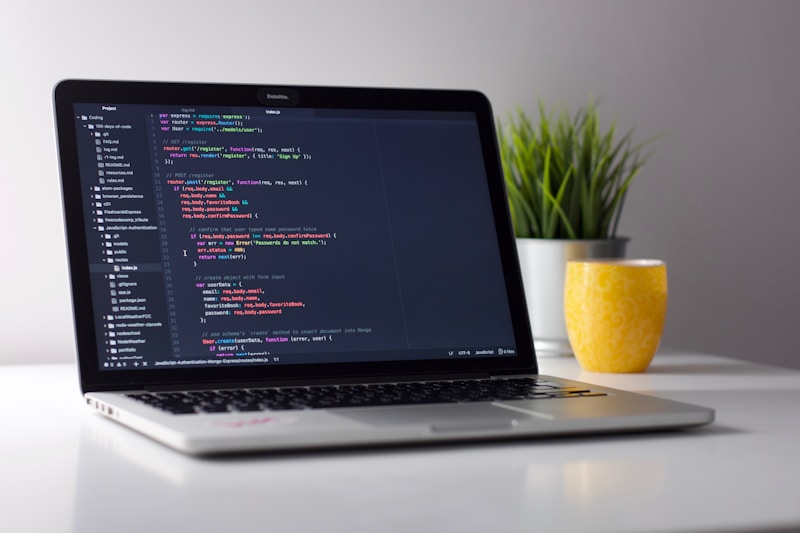
DIY builders like Wix and Squarespace sit at $21 to $55 a month in Australia, according to Studio Slate's 2026 comparison, with no build cost at all if you do it yourself. That's a genuinely fine option for a business that just needs a digital business card: hours, location, a phone number, a few photos.
It stops being fine the moment the site needs to actually convert, book, or sell, because platform templates are built for breadth, not for your specific customer's specific hesitation.
Where the Dream Websites Number Sits, and Why
A full custom build with managed hosting through Dream Websites starts at $8,500 and scales with scope. That floor isn't arbitrary, it's what an audit-first build genuinely costs once you account for:
- Research into your business and customers
- Strategic structure and copy written for your business
- 30 days of support built into the price after launch
- Managed hosting and maintenance included
Paramark's 2026 Australian pricing guide places the small-business sweet spot at $5,000 to $8,000 for a standard build, and the logic holds: below it, corners get cut on strategy. Our $8,500 floor sits just above that band because the audit, strategy and copy work, 30 days of support and managed hosting are included rather than sold on top. Well above it, you're usually into e-commerce or a larger feature set than most small businesses need.
After those 30 days, an ongoing support plan takes over, starting at $300 a month, covering hosting, SSL, security, backups, performance monitoring and maintenance. That number matters more than it looks like it should, because it's the part almost nobody prices honestly upfront. A site that isn't maintained degrades, plugins go unpatched, backups don't exist until the day you need one, and hosting gets treated as an afterthought until it goes down during a busy week.
The Order to Work Through This In
- Decide what the site has to do, not what it should look like. A booking flow, a lead form, a product catalogue, each demands different structure and a different budget floor.
- Rule builders in or out honestly. If the answer to step one is "just be findable," a $21 to $55 a month DIY site is a legitimate choice, not a compromise.
- Get quotes that separate build from ongoing cost. A $2,000 build with no hosting or maintenance plan is not cheaper than a $8,500 build with 30 days of support included and ongoing care after, it's the same cost deferred and hidden.
- Ask who's actually doing the thinking. A quote that starts with a template and a colour picker is a different product to one that starts with a conversation about your customers.
- Check what happens after launch, before you sign anything. Who patches it, who backs it up, who answers the phone when it breaks on a Saturday.

An Honest Next Step
If your business genuinely just needs to exist online, a DIY builder at $20 to $50 a month will do that job, and there's no reason to spend more to get there. If the website is meant to do real work for the business, book jobs, capture leads, hold up under traffic, it's worth talking to someone before committing to a number either way.
Dream Websites runs an audit before quoting anything, precisely so the number reflects your business rather than a rate card. No pressure, no countdown timer, just a conversation about what the site actually needs to do.
FAQ
Is a $500 website ever a bad idea?
Not on its own. It's a bad idea if the business needs the site to convert, book, or sell, and nobody involved priced in the strategy work that makes that happen.
Why does hosting cost extra after the build?
Because hosting, backups, and updates are an ongoing job, not a one-time task. A site left unpatched for a year is a security and uptime risk regardless of what it cost to build.
Is a custom build always better than a template?
No. It's better when the site needs to do specific work for a specific customer. A template is often the right, honest choice for a business that just needs a basic presence.
How long should a proper quote take to put together?
Long enough for someone to ask about your customers before they ask about your colour scheme. If a quote arrives within minutes of a two-line brief, it wasn't built around your business.
About the Author
Farhad Malegam is the founder of Dream Websites, a Sydney-based web design and managed hosting studio serving clients across Australia. He builds and manages every site personally, from initial audit through to ongoing care.
Sources
Published 15 January 2026